In a historic milestone, Amazon has overtaken Walmart in annual revenue for the first time, signaling a major shift in global retail. Both companies are aggressively investing in artificial intelligence to boost efficiency, cut costs, and dominate the market. The battle is no longer just about sales—it’s about who can use AI better.
The Revenue Numbers
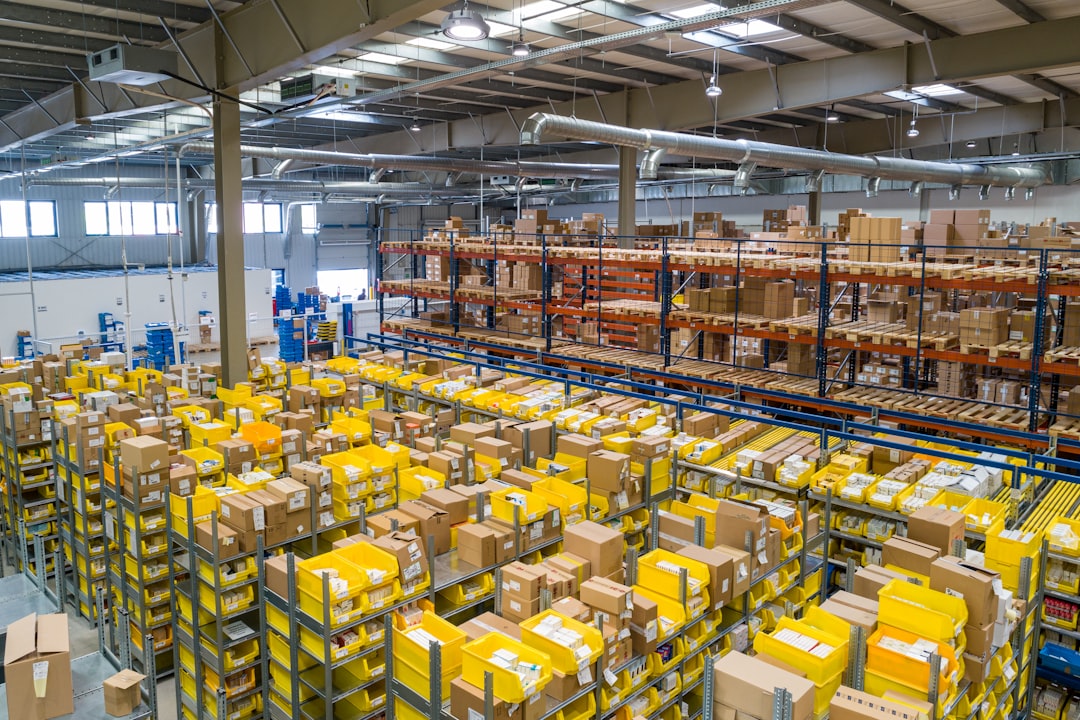
Photo by Adrian Sulyok on Unsplash
For its most recent fiscal year, Amazon reported $716.9 billion in revenue. Walmart’s revenue was $713.2 billion. The difference is small in percentage terms, but the symbolism is huge. Amazon, once an online bookstore, has grown into the world’s largest retailer by revenue. Walmart, which dominated for decades, is now number two.
Both companies are using AI to drive this growth. Amazon uses AI for inventory management, delivery route optimization, personalized recommendations, and warehouse automation. Walmart uses AI for demand forecasting, shelf scanning robots, and checkout-free stores. The competition is intense, and AI is the key weapon.
Why AI matters in retail

Photo by Carlos Gil on Unsplash
Retail is a business of thin margins. Small improvements in efficiency can mean billions of dollars saved. AI helps in many ways:
- Predicts what customers will buy and stocks it ahead of time.
- Optimizes delivery routes, reducing fuel and time.
- Powers robots that pack and move goods in warehouses.
- Personalizes online shopping, increasing conversion.
- Detects fraud and returns abuse.
Amazon has been ahead in AI adoption for years. Its Kiva robots, recommendation engine, and Alexa ecosystem are well known. Walmart has caught up recently, opening AI labs and partnering with tech firms. The revenue crossover suggests Amazon’s AI edge is translating into sales.
What about India?
India’s retail market is also seeing an AI race. Reliance Retail, Flipkart, and Amazon India all use AI for pricing, recommendations, and supply chain. For Indian consumers, this means faster delivery, better product suggestions, and potentially lower prices. For workers, AI could mean fewer routine jobs but also new roles in tech and data analysis.
The Amazon-Walmart rivalry in India is intense. Walmart owns Flipkart and is investing heavily in AI to compete with Amazon. The US revenue battle is a preview of what could happen in India: AI-driven efficiency will define which retailer wins.
Should small businesses worry?
Small and medium Indian retailers may feel the pressure. Big players with AI can undercut prices and offer better experiences. However, AI tools are becoming cheaper and more accessible. Small shops can use AI for inventory, customer service chatbots, and social media marketing. The key is to adopt technology wisely rather than ignore it.
Future outlook
The revenue race is not over. Walmart may regain the top spot in coming years if its AI investments pay off. But the trend is clear: retail is becoming an AI game. Companies that fail to use AI effectively will lose market share.
For investors and employees, the message is to focus on AI capabilities of the companies they back or work for. For customers, it means smarter shopping experiences, but also more data collection and personalization.
In conclusion, Amazon overtaking Walmart in revenue is a sign of how AI is reshaping the biggest industry in the world. The competition will only get fiercer, and AI will continue to drive the winners.
Draft created automatically by JARVIS on 2026-02-20.


